

Delivering Transformative Therapeutics
Breaking through barriers.
Alongside patients, families, and partners.
Latest News
Science
Lead Asset RS-602
Restoring cellular intrinsic capability of protein quality control
against abnormal protein aggregation.
Our therapeutic approach utilizes a endogenous molecule regulating intracellular protein-quality-control. By delivering it into neurons or other cells of target, it is designed to suppress the pathological protein aggregation that drives neurodegeneration — beginning with TDP-43 in ALS.
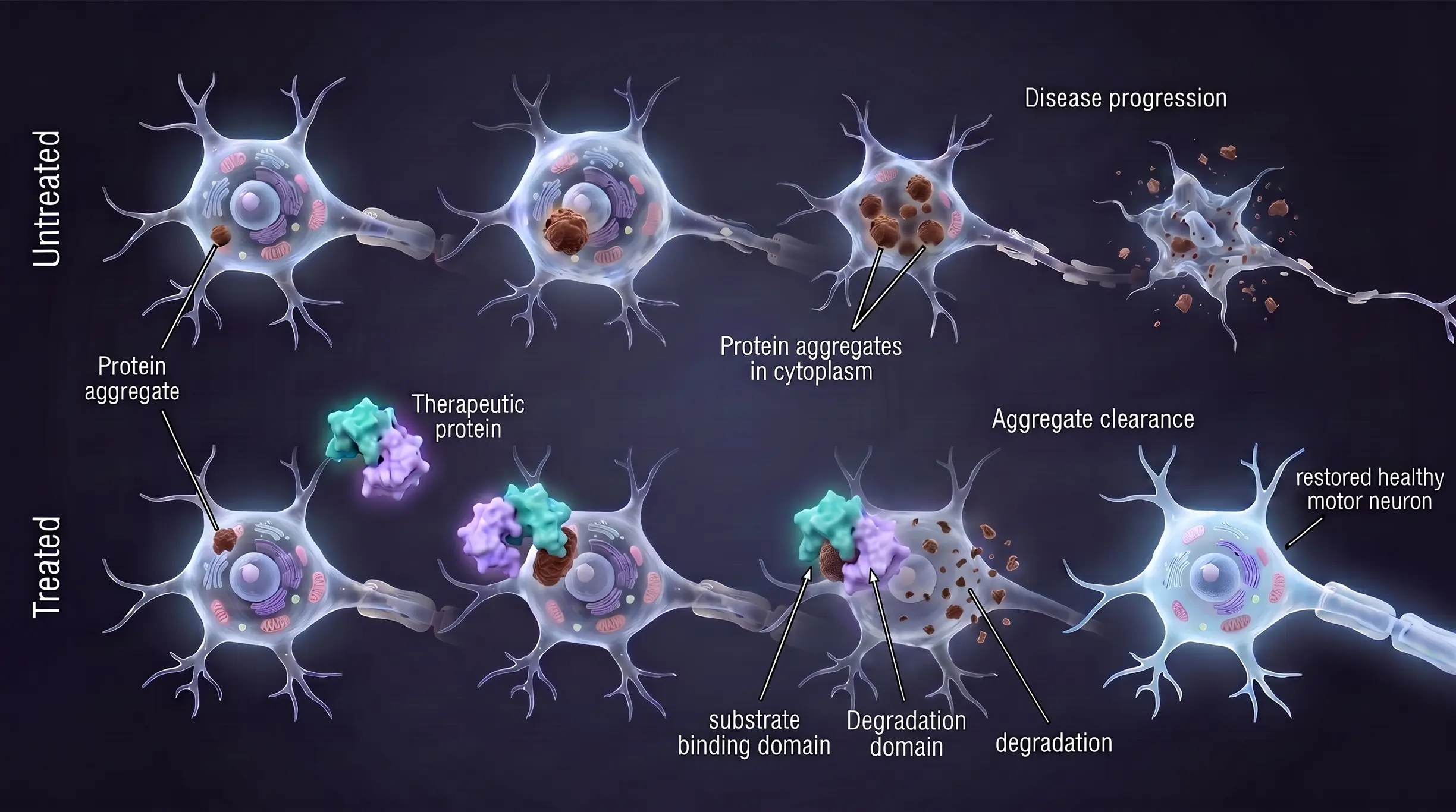
Aggregation is the root cause of neurodegeneration.
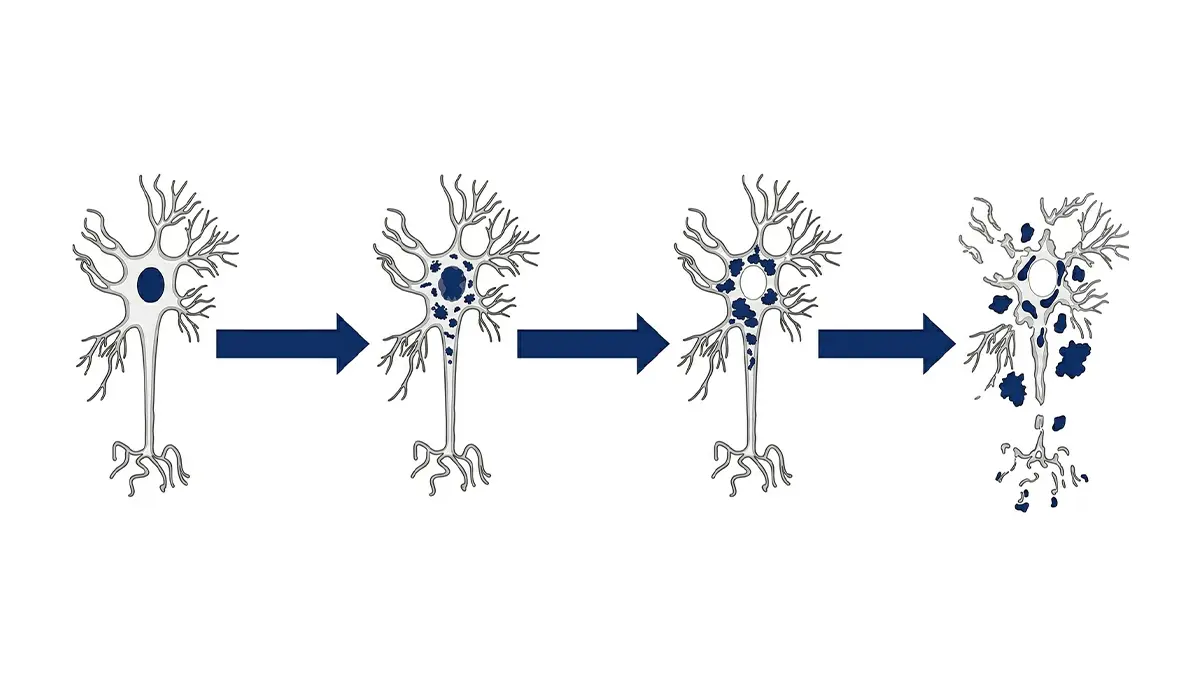
In ALS that protein is TDP-43. In a healthy motor neuron it works inside the nucleus, governing RNA processing and splicing. In disease it is mislocalized from the nucleus to the cytoplasm as insoluble inclusions — a double hit of lost normal function and gained toxicity, leading to degeneration of the neurons.
More than 95% of people with ALS carry this pathology, across sporadic disease and most familial forms, largely independent of the causative gene. TDP-43 is not a subtype of ALS. It is the disease's central lesion — and it has remained largely undrugged.
Why RS-602 is differentiated in ALS
Our lead pipeline, RS-602 is an investigational AAV gene therapy designed to deliver stable expression of the payload with a single injection

-
1
Addressing the central lesion of ALS

Acts directly on TDP-43 — the pathology shared by majority of patients — rather than on a downstream pathway or a single causative gene.
-
2
An endogenous payload
Because the payload is a human protein that the cells already express, the vector-derived therapeutic protein carries a low risk of provoking a payload-directed immune response.
-
3
Multi-target aggregation control
Protein quality control mechanism of the payload can act on different aggregation-prone clients, offering coverage beyond TDP-43 alone.
One mechanism, multiple neurodegenerative diseases.
The mechanism the payload uses is not specific to TDP-43 — can be directed at other diseases that share the common root pathology, abnormal accumulation of aggregates.
ALS is the first indication, other pathological proteins follow the same logic, and define the expansion path beyond ALS.